


V-60
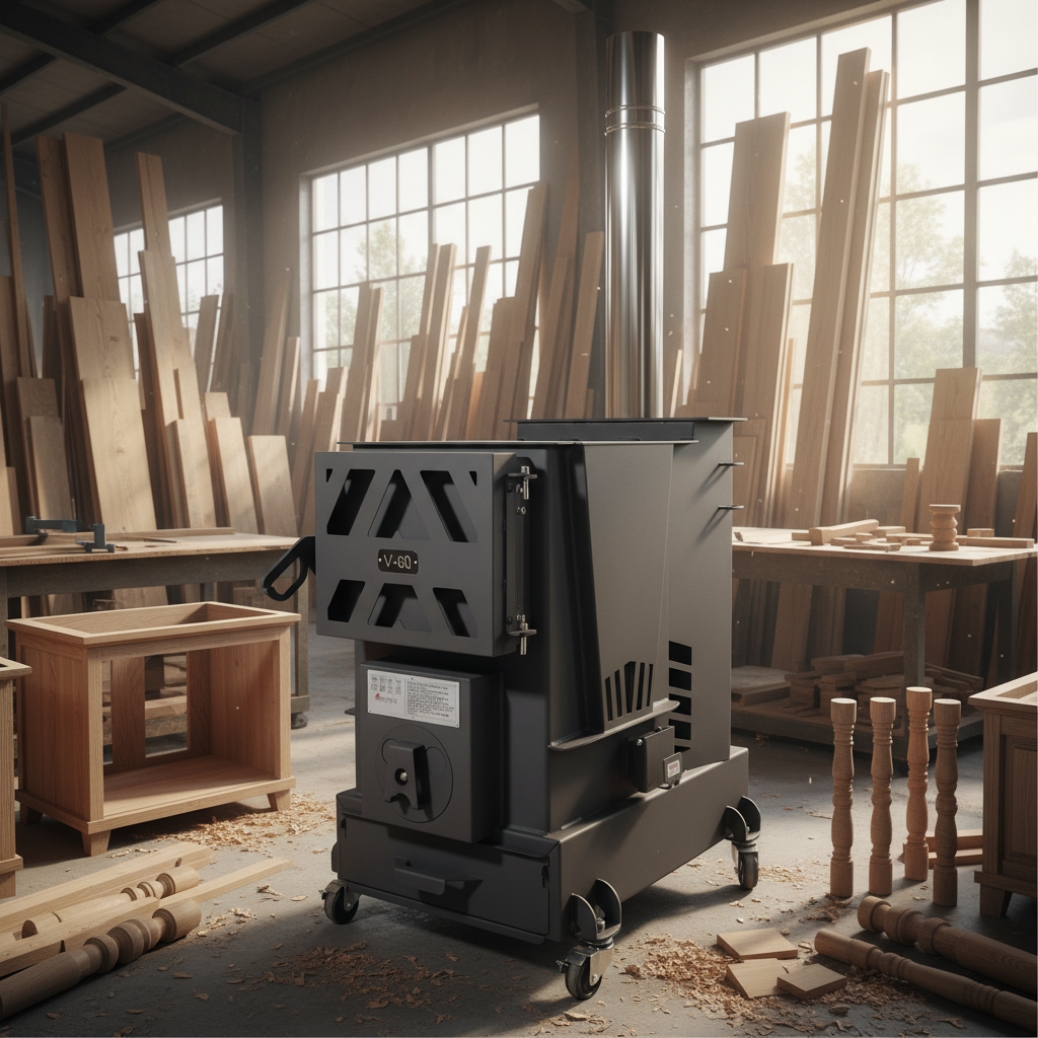
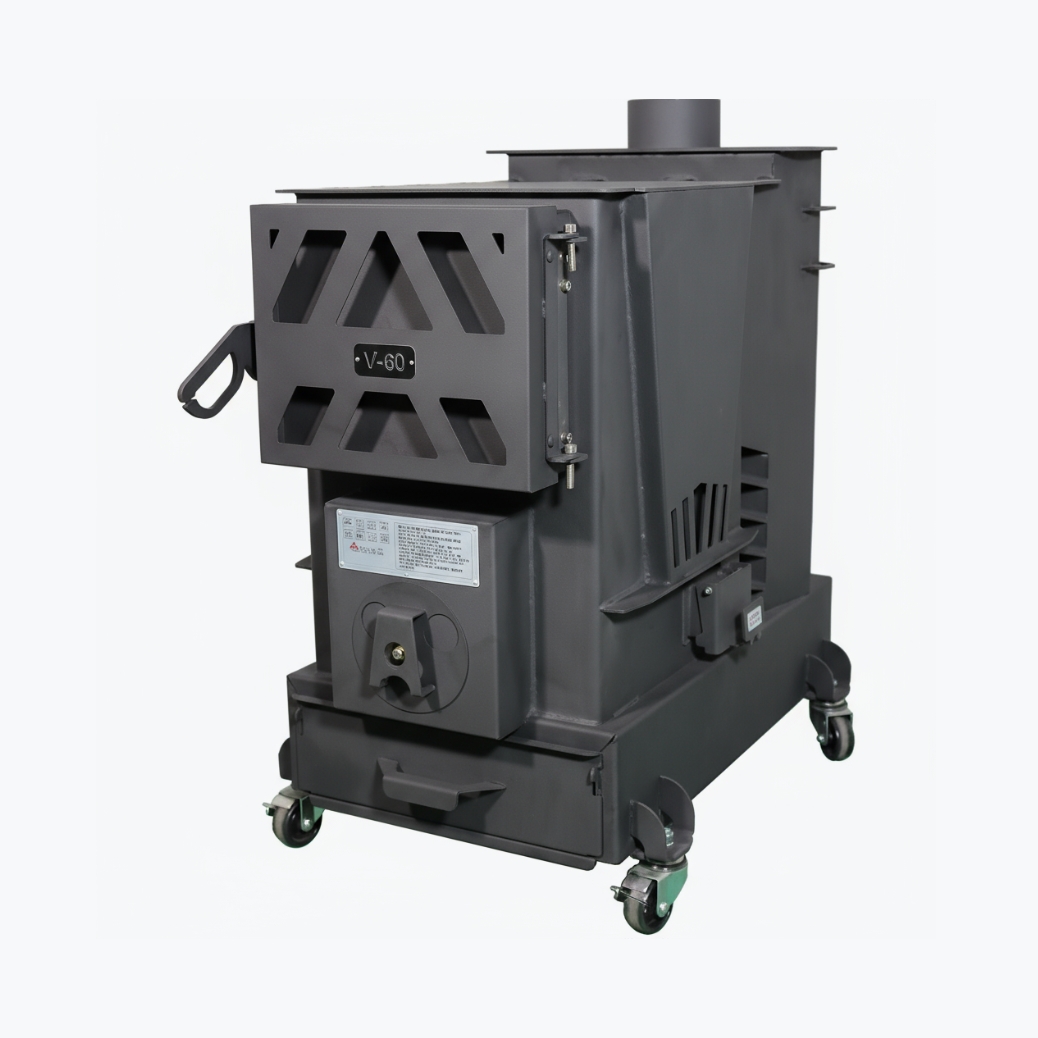
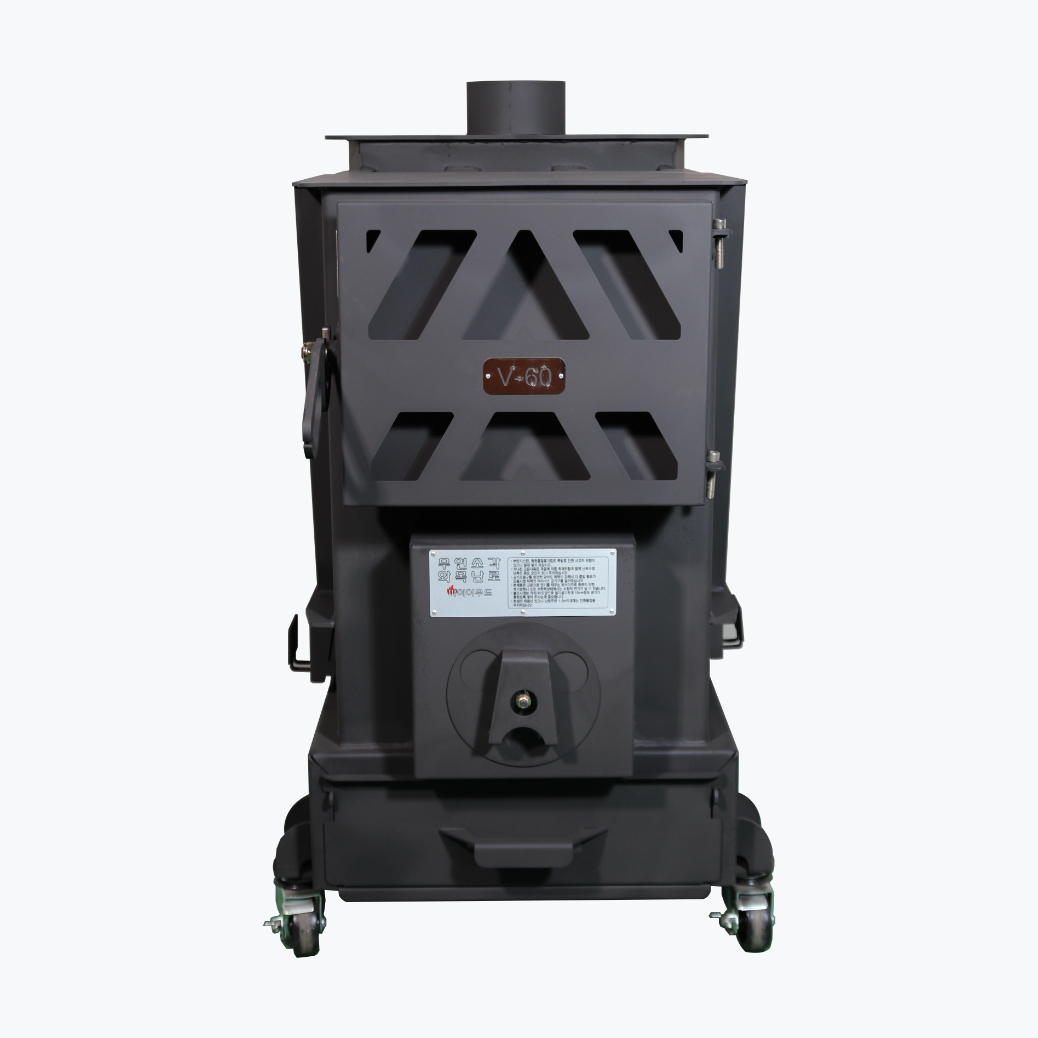
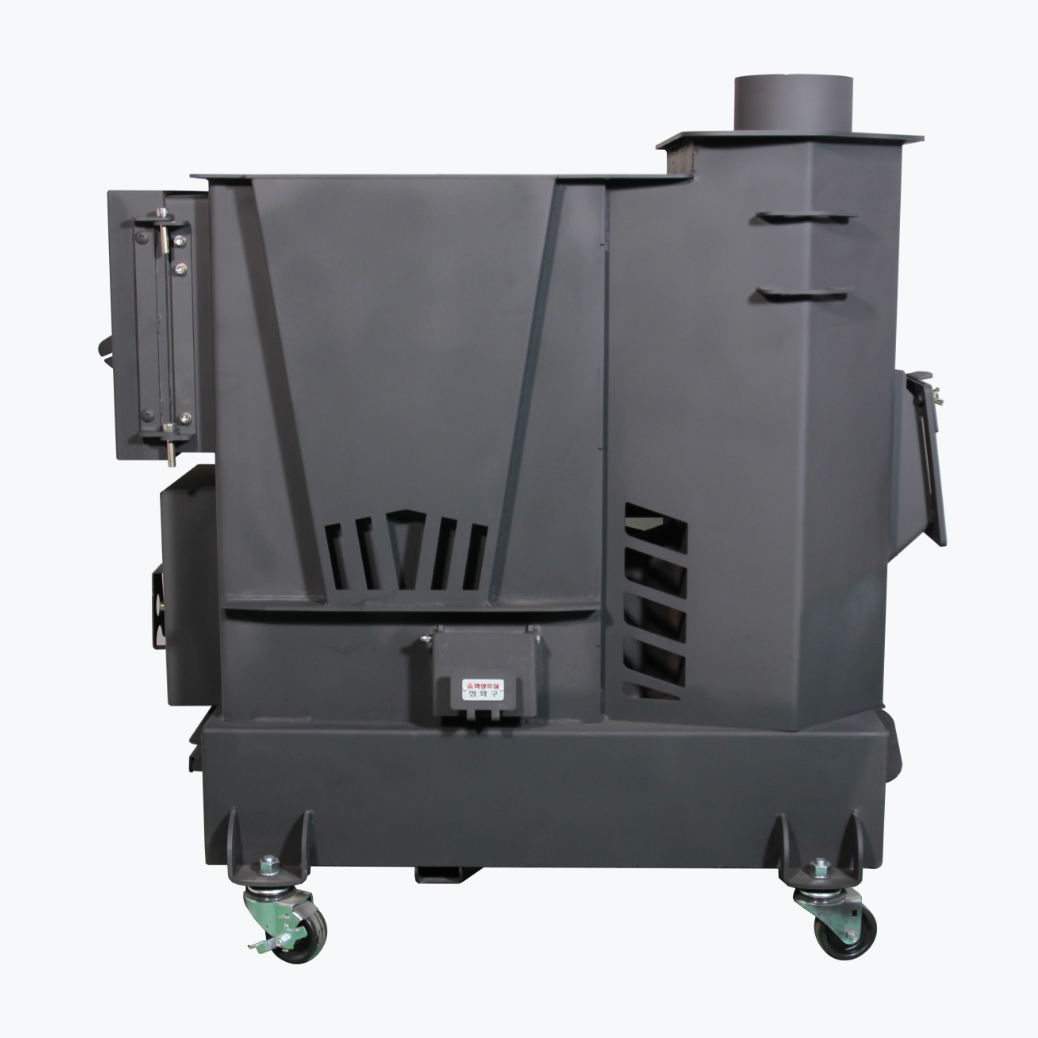
V-60
- Dimensions (mm)650*1,040*1,110 (W*D*H)
- Weight 193 Kg
- Flue Pipe Size 150 mm
- Heating Area132-264 m² (approx. 40–80 pyeong)
- A Variety Of Fuels Can Be Used
- Non-Powered High-Temperature Combustion
- Powerful Calories
- Structure That Disperses High Heat
- Smokeless, Odorless Complete Combustion
- Freedom Of Movement
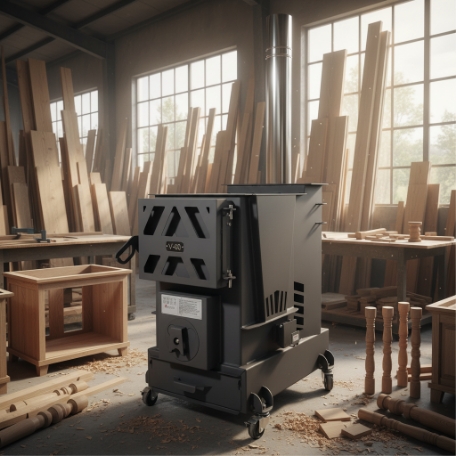
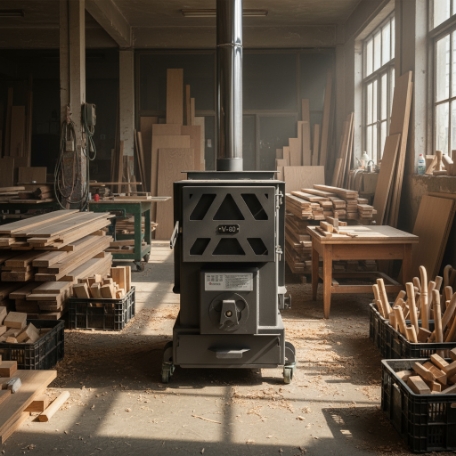

Features
Key Features
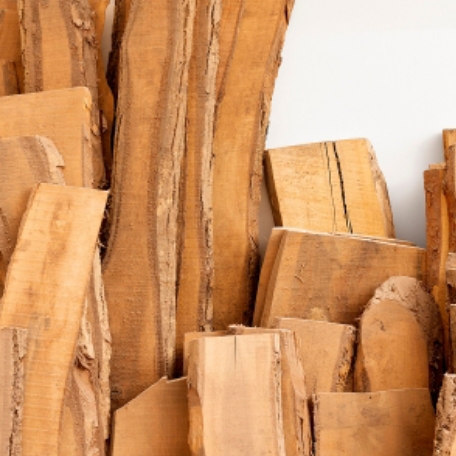
A Variety Of Fuels Can Be Used
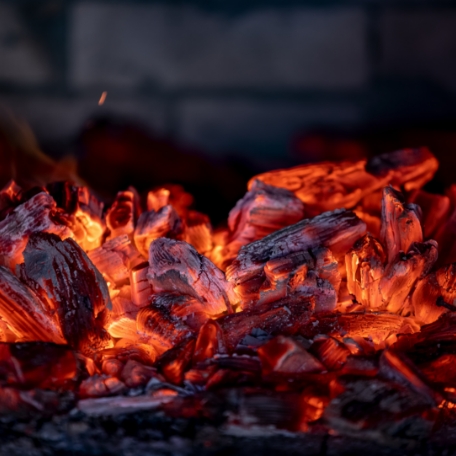
Non-Powered High-Temperature Combustion
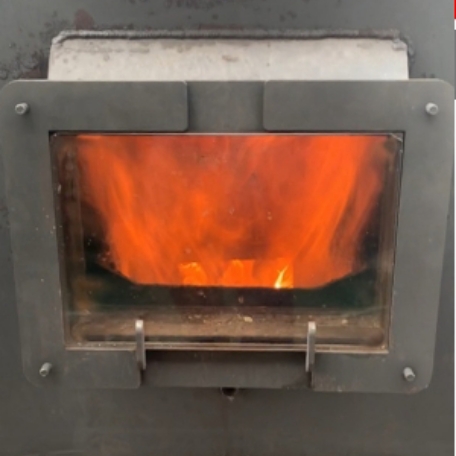
Powerful Calories
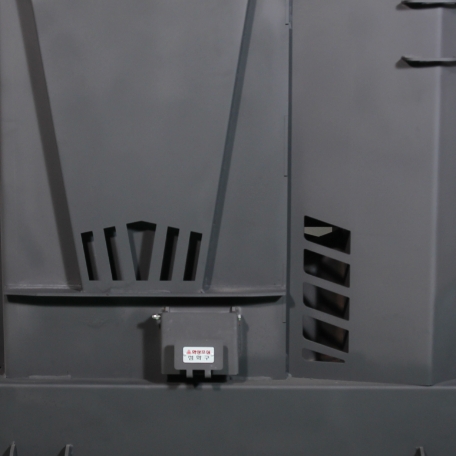
Structure That Disperses High Heat
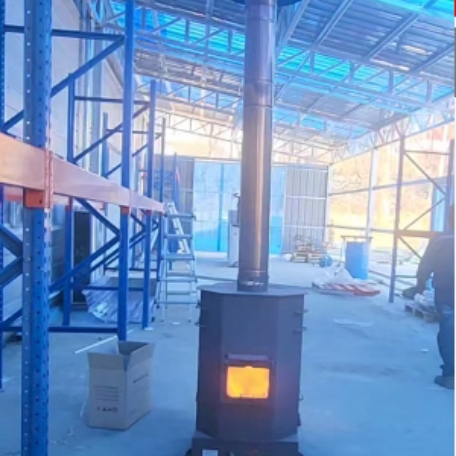
Smokeless, Odorless Complete Combustion
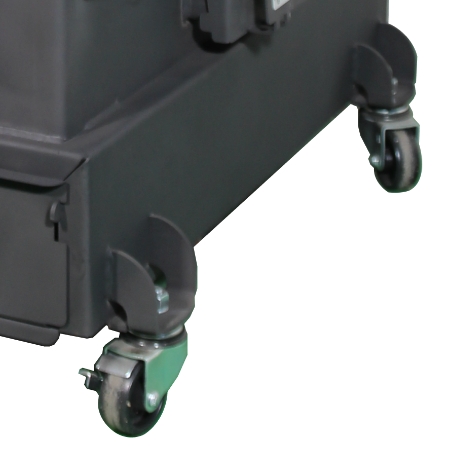
Freedom Of Movement
Product Cases
Installation case


Structure
Product Structure
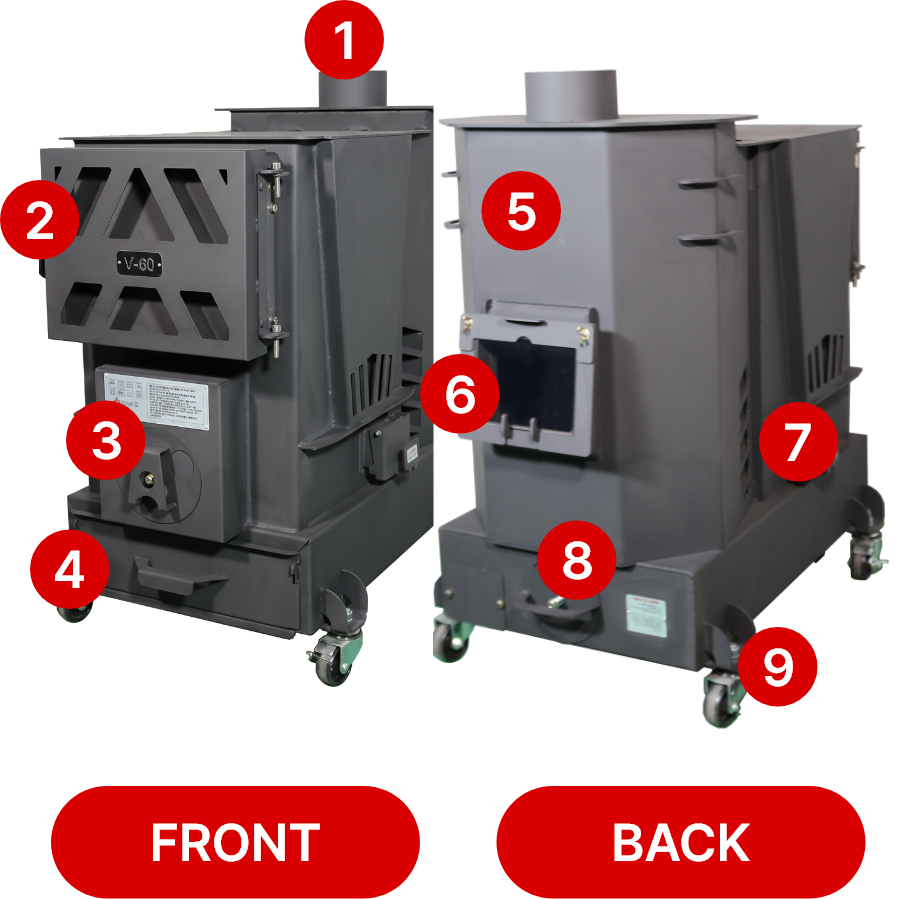
Flue Pipe
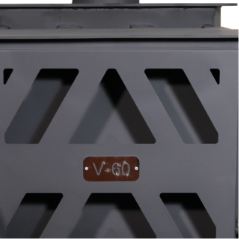
Firebox Door
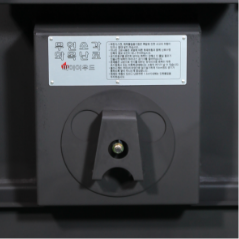
Air Control
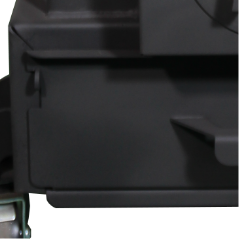
Drawer-Type Ash Tray
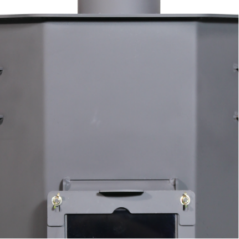
Heat Exchanger
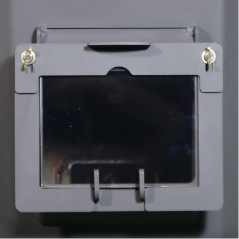
Flame Sight Glass
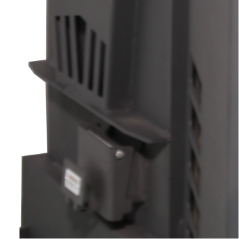
Ignition Ports
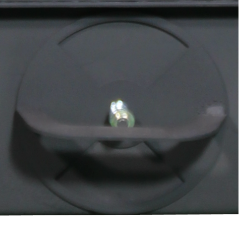
Minus Control Valve
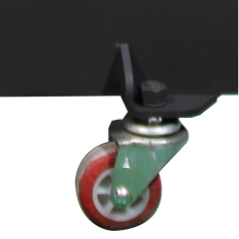
Movable Wheels
Specification
Product Specification Table
- Heating Area132-264 m² (approx. 40–80 pyeong)
- Dimensions (mm) 650 * 1,040 * 1,110 (W*D*H)
- Inside Fireroom: 460 * 485 * 680 / Inlet: 390*325
- Glass size
- Material Steel plate 6T
- Weight 193kg
- Coating Heat-resistant up to 600℃
- Flue Pipe Size 150mm
- Fuel Charge Per Cycle 3555kg
Guide
User’s Guide
The V-shaped smokeless stove offers 99% smokeless combustion without power. It differs slightly from standard stoves, so please be sure to read the user manual.
Ignition Preparation
-
Prepare tinder and scrap wood, firewood, and other materials for fuel.
-
Open the firebox door (inlet) and spread tinder on the floor (below) in a grid pattern to ensure good air circulation. The tinder should be raised until the 10–15cm above the floor.
-
After laying the tinder, fill the firebox with fuel (wood), starting with thinner, more flammable wood first, followed by thicker wood.
- Stacking the kindling wood in a grid (#) shape to ensure air circulation is an important factor in ignition.
- If the tinder is filled to the brim with no air space during initial ignition, the fire will not light and only smoke will be produced.
- If you have trouble igniting the fire due to lack of a tinder or poor ignition technique, we recommend adding a small amount of wood, lighting it, and then adding more wood.
- If you are having trouble preparing a fire starter, you can use a igniter, oiled sawdust, etc.
- It’s okay if you don’t fill the firewood completely, but it can be inconvenient because you have to fill it frequently.
- Paper may catch fire easily, but it burns and goes out on its own, so it is not suitable as a fire starter.
Ignition
- Close the firebox door and open the air control vent to the maximum.
- Open the ignition port, light the gas torch, and insert the torch deep into the ignition port.
- After inserting the torch, wait for about 30 to 60 seconds until you see the flame through the sight glass. Then, wait until the fire is sufficiently transferred to the kindling (about 2 to 3 minutes), then remove the torch and close the ignition port. When using a gas torch, turning on the gas without igniting it or extinguishing it during ignition, causing gas to build up inside the stove, is extremely dangerous. (Explosion risk!) In this case, be sure to open the firebox door, exhaust the flame sufficiently, and then relight it!!
- If ignition is not working properly and smoke is coming out
It is best to be able to see the flame directly through the rear sight glass after inserting the torch, but if you pack the kindling tightly without any gaps or use a piece of wood or a wide board as a kindling, the flame outlet will be blocked and the fire will not be able to ignite properly, causing smoke to come out. The trick is to use a skewer to create space so the flame can escape towards the viewing window. - If smoke is produced during combustion
Since the V-type smokeless stove burns smoke with fire, a small amount of smoke may be produced for about $5$ minutes when the fire starts to burn or in certain areas where the fire power is low.- If there is little wood in the firebox, it is not suitable for smokeless combustion.
We recommend that you keep the wood content in your firebox at least 30% - V-shaped combustion is a bottom combustion method that burns from the bottom, so we recommend splitting logs that do not burn easily and wet wood as much as possible and placing them on top of the wood in the upper part of the firebox.
- If there is little wood in the firebox, it is not suitable for smokeless combustion.
Operation
-
After ignition, the firepower is controlled by adjusting the air control port located in the center of the front.
-
When the firebox is filled with fuel (wood), the burning time can be 2 to 6 hours pending on the type of wood.
-
If the fire is burning well but smoke is leaking out through the cracks in the front door or air vents, this is a
symptom of excessive air inflow. The symptoms will improve if you close the air control vent. -
We do not recommend throwing garbage, plastic, wet food, etc. into the stove, but if you must, only burn them
when the stove is more than 50% full of firewood. However, if a large amount of highly combustible materials
such as plastic are thrown into the stove, smoke may be generated due to the high heat and high combustion. In
this case, if you open the minus air control vent at the bottom of the rear view window, the high-power
combustion will be relieved and the symptoms will improve. -
Empty the ash tray every 3 to 5 days. Large capacity stoves such as the V-60, V-100, and V-200 have a shorter ash tray than the firebox.
Use a scraper to collect the ash from the floor and discard it. -
To the right of the rear minus air control vent is a cleaning vent.
Please remove the lid about once a year and clean out any accumulated dust.
-
Never place butane gas cylinders, chemicals, or other containers in the device as there is a risk of explosion.
-
Please be careful as high temperature and overheating may shorten the life of the stove and there is a risk of fire due to overheating around the stove and chimney.
-
Excessive overheating can cause smoke, sparks, etc. to escape through the chimney. In this case, close the air control vent to reduce the heat output.
-
Be careful as ashes may contain hidden embers and store them safely in a closed area.
-
The surface temperature of the stove and chimney can range from 250 to 500℃. Be careful not to touch or burn yourself. Also, avoid placing flammable materials within 1.5m of the stove to avoid a fire hazard.
-
Be sure to wear gloves when working with the door handle, air control vent, and ignition switch, as they may be hot.