


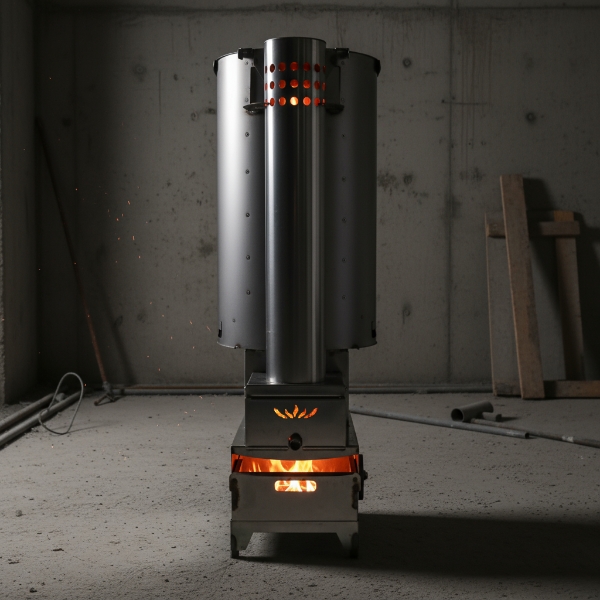
Turbo 2


Turbo 2
- Dimensions (mm)400 x 650 x 1,350
- Weight29Kg
- Flue pipe size150mm
- Curing areaApproximately 6 pyeong of space per unit
- 40% fuel cost savings compared to other fuels
- Smokeless Clean Combustion Structure
- Preventing safety accidents and ensuring a pleasant working environment
- 15 hours of continuous heating
A safer and more economical choice
Turbo 2
A simple wood pellet curing stove that provides all-night heating for over 12 hours with a single pellet load.

Features
Key Features

Cost reduction for curing

Labor reduction

Compliance with Industrial Site Safety Standards
Usage
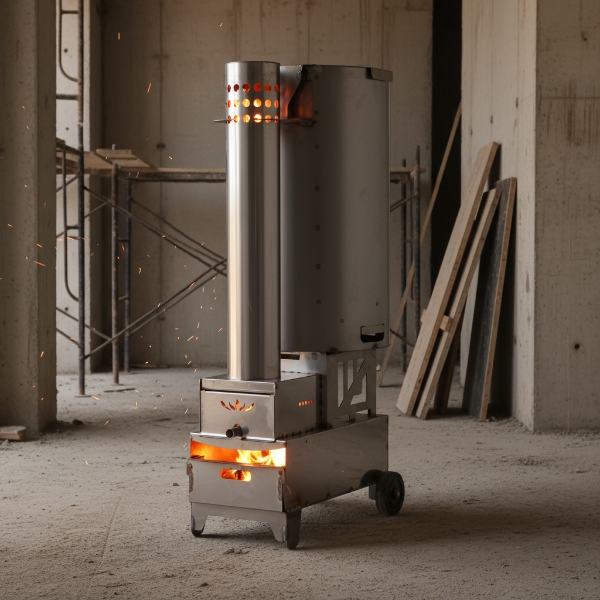
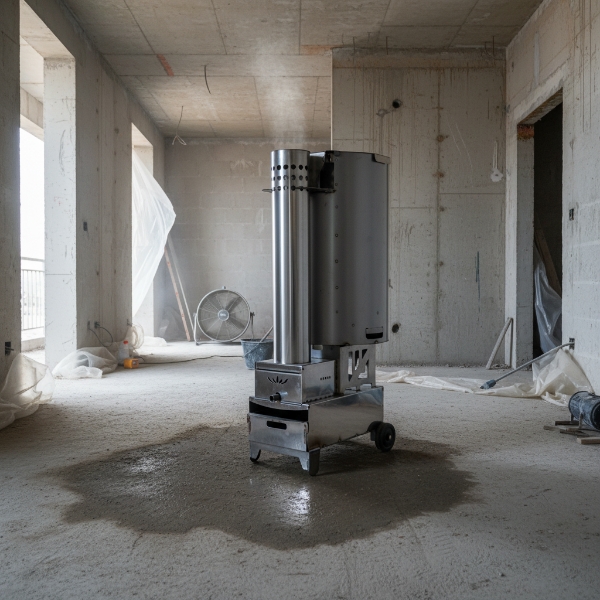
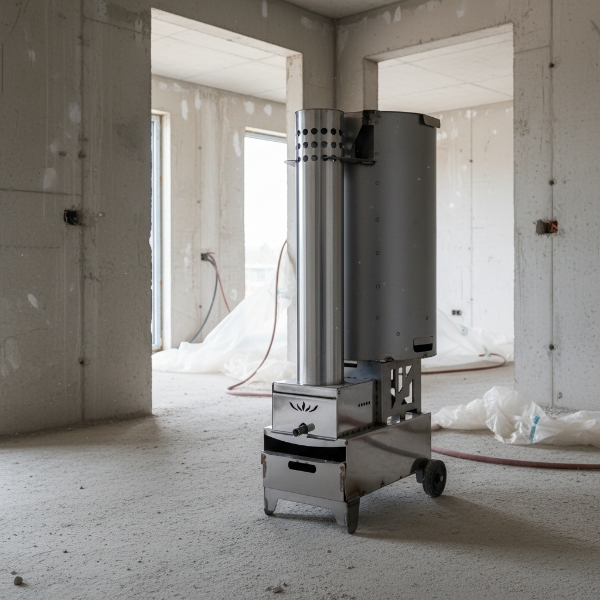
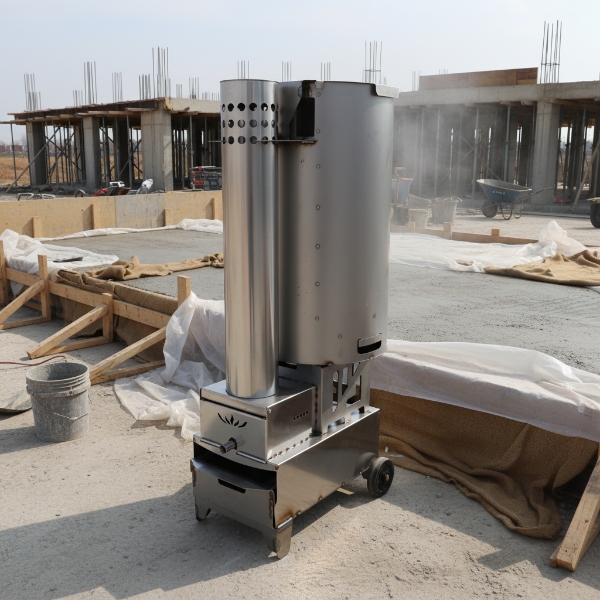
Suitable for concrete curing during winter construction projects such as apartment buildings, commercial complexes, and tunnels, as well as cold and damp construction sites. It can also be used to prevent the collapse of warehouses or temporary structures caused by heavy snowfall during winter.
Supplier


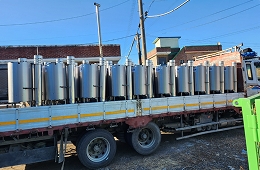
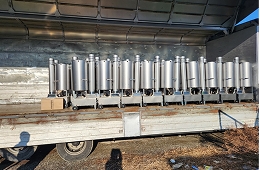
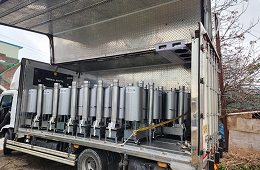
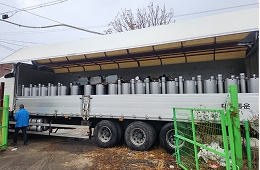
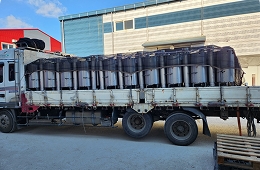
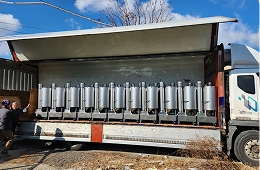
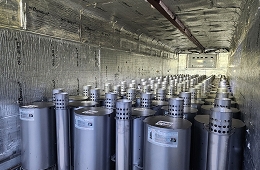
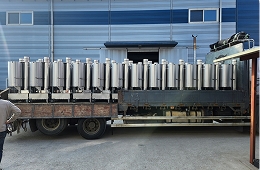
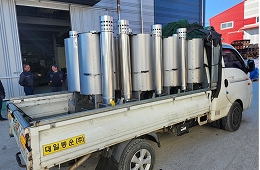
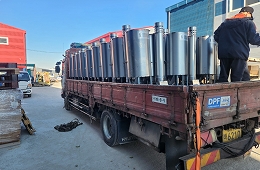
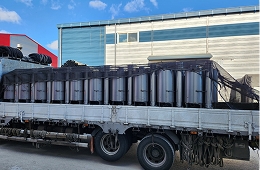
Delivery Status
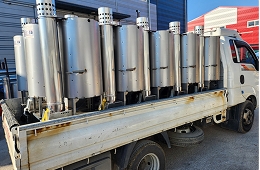
Shipping Cases



Structure
Product Structure


Pellet fuel tank

Fireroom Door

Ash tray

Fireroom

Handle
Specification
- Curing areaApproximately 6 pyeong of space per unit
- Dimensions (mm)400 * 650 * 1,350 (W*D*H)
- Hopper capacity60kg
- Weight29kg
- Fuel consumption5kg/h
- Heat output22,500kcal/h

Clean energy harmless to the human body
Carbon-neutral energy,
Wood pellets
Wood shavings are compressed and molded into uniform pellets, enhancing storage, management, and thermal efficiency as an eco-friendly fuel.
Construction sites are rapidly switching to wood pellets to prevent safety accidents and comply with regulations enacted due to environmental pollution.
Benefits
1.

It offers the lowest fuel cost per unit of heat output,
reducing fuel expenses by 40% compared to oil heaters and by 70% compared to ethanol solid fuels.
2.

The improved working environment creates a pleasant atmosphere, boosting on-site work efficiency.
3.

and lowers costs associated with on-site electrical equipment.
4.

Compared to oil or ethanol, which do not maintain heating functionality for long periods, pellet fuel can sustain continuous operation for over 12 hours.
This minimizes the need for nighttime management personnel, thereby reducing safety incidents and labor costs.
As the operational approach shifts from the existing curing method, short-term inconveniences may arise due to inexperience in on-site management.
Due to the nature of pellet fuel, it is susceptible to moisture. If neglected, it may fail to ignite properly, produce smoke, or extinguish.
Under these conditions, if the fire goes out, the nature of wood fuel causes a large amount of smoke to be generated, which may cause discomfort in the working environment.
Specification
| Category | Pellets | Oil | Ethanol Cans | Remarks |
|---|---|---|---|---|
| 20,000kcal Fuel consumption | 4.4kg | 2L | 6L | ethanol 17L 60,000kcal 21,000won |
| 20,000kcal Fuel prices | 2,112won (4.4kg * 480won) | 3,160won (2L * 1,580won) | 7,410won (6L * 1,235won) | Fuel efficiency Pellets: 100 Oil: 150 Ethanol: 350 |
| 12hours of use Fuel price | 2,112won (1,848won * 12hours) | 3,160won (3,160won * 12hours) | 7,410won (7,410won * 12hours) | |
| Power | Power Not required |
| Not needed | |
| Safety |
|
|
|
|
| Advantages and Disadvantages of Management |
|
|
| |
| Fuel Cost Comparison for curing APT Construction Medium-Scale Site Standard Operating 500 stoves | 345,000,000won | 513,000,000won | 1,230,000,000won | When replacing heaters with pellet stoves at construction sites Curing cost savings: 168 million won (Period: December to February, 3 months) |
Due to the risk of safety accidents at construction sites and the enactment of laws addressing environmental pollution, the use of charcoal, briquettes, and methane (cans) is gradually declining. Compared to pellet stoves, the use of heaters is also rapidly shifting toward carbon-neutral energy wood pellet fuel for curing due to its safety, environmental benefits, and significant cost savings.
Based on data from the past three years, the number of construction sites switching to wood pellet fuel has increased by 100 to 150 percent annually.